


Healthy Gums Are the Foundation of a Healthy Smile
Your gums and supporting bone help hold your teeth in place. When inflammation develops around the gumline, early care can help keep the problem from becoming harder to manage. At our Stillwater, MN dental office, periodontal therapy is part of the comprehensive family dentistry we provide. Our focus is prevention, early diagnosis, and long-term maintenance.
Common Signs of Gum Disease
Gum disease does not always cause pain at first. Changes that seem minor can still signal that your gums need attention.
Watch for:
- Bleeding when brushing or flossing
- Red, swollen, or tender gums
- Persistent bad breath
- Gum recession
- Sensitivity near exposed roots
- Loose or shifting teeth
If these symptoms continue, an evaluation can help us determine whether periodontal therapy is appropriate.
Or Call (651) 439-8840
What Is Periodontal Disease?
Periodontal disease begins when bacteria and buildup irritate the gums. Plaque is a sticky film on the teeth, while tartar is hardened plaque that brushing and flossing cannot fully remove.
As inflammation continues, the gums can pull away from the teeth, creating deeper spaces where bacteria collect. More advanced disease can damage the tissues and bone that support the teeth.
Gingivitis vs. Periodontitis
Gingivitis is the earlier stage of gum disease. It can cause redness, swelling, and bleeding without loss of the bone supporting the teeth.
Periodontitis is more advanced. The supporting tissues or bone can begin to break down, and periodontal therapy may be needed to help manage the condition.
Or Call (651) 439-8840


Understanding the Difference
Periodontal Maintenance vs. Regular Dental Cleanings
Patients often wonder why periodontal maintenance differs from a regular cleaning. The difference comes down to your gum health and history.
Regular Dental Cleaning
Routine cleanings are designed to prevent disease and remove plaque and tartar for patients whose gums do not require active periodontal management. These visits also help us monitor changes over time.
Regular dental cleanings and exams play an important role in everyday prevention and help us identify changes before they become more difficult to manage.
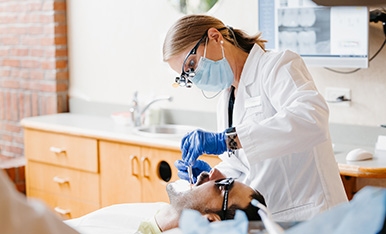
Periodontal Maintenance
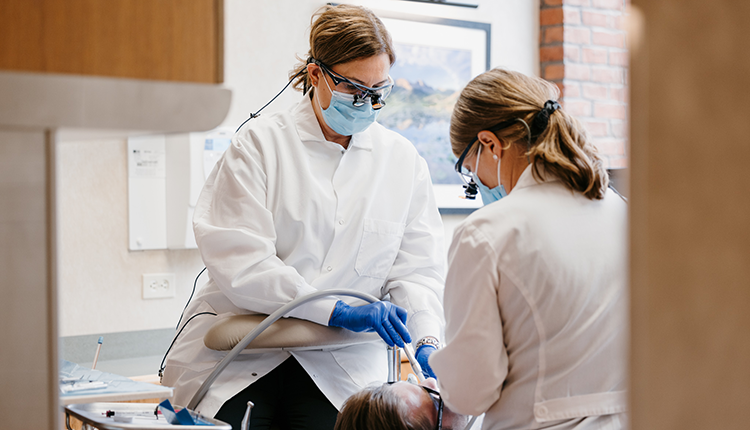
Periodontal maintenance is for patients with a history of periodontal disease after initial treatment. These visits allow us to monitor the gums more closely and clean areas that may remain vulnerable below the gumline.
The timing depends on your individual gum health and response to treatment. We recommend a schedule tailored to your mouth’s needs.
Frequently Asked Questions
Periodontal Care
FAQs
Periodontal Care FAQs
Patients often have questions about deep cleanings, bleeding gums, healing, insurance, and what happens after periodontal therapy. These answers cover several common concerns.


A deep cleaning may be recommended when gum disease has allowed plaque and tartar to collect below the gumline, where routine preventive cleaning cannot adequately address it. We evaluate pocket depths, bleeding, gum recession, buildup, and the supporting structures around your teeth before making a recommendation. The goal is to match the type of cleaning to your current gum health rather than automatically recommending deeper treatment.
Scaling and root planing can cause temporary tenderness or sensitivity, especially when the gums are already inflamed. When needed, we can use a local anesthetic to help keep you comfortable during treatment. Your experience will depend on your gum health and the areas being treated. We explain what to expect beforehand and provide home care guidance to help you stay comfortable after your visit.
Gums that bleed repeatedly should be evaluated, as ongoing bleeding may indicate inflammation or gum disease. This is especially important when bleeding occurs along with swelling, recession, tenderness, or persistent bad breath. An examination allows us to identify the underlying cause, assess the health of the tissues around your teeth, and determine whether changes to your home care, professional cleaning, or periodontal treatment are appropriate.v
Gingivitis can often improve when inflammation is addressed before the bone and deeper supporting structures around the teeth are affected. Professional care, along with consistent brushing and cleaning between the teeth, can help control plaque and support healthier gums. An evaluation is important because early gum disease and more advanced periodontitis require different approaches, and symptoms such as bleeding do not always reveal how far the condition has progressed.
The frequency of periodontal maintenance depends on your gum health, history of periodontal disease, home care, and response to treatment. Patients who have been treated for gum disease may require closer monitoring than patients receiving routine preventive cleanings. We recommend a maintenance schedule based on what we see during your evaluations, and we can adjust it over time as your gum condition changes.
Yes. Advanced periodontal disease can damage the gum tissue and bone that support your teeth. As those supporting structures weaken, teeth may begin to loosen, shift, or eventually become difficult to maintain. Periodontal treatment focuses on controlling the disease and preserving the remaining supporting structures. Ongoing maintenance and consistent home care are also important because periodontal disease requires continued attention even after initial treatment.
Healing after periodontal therapy varies depending on the severity of gum disease, the areas treated, and your individual response to care. Some tenderness or sensitivity may occur after scaling and root planing and should gradually improve as the tissues recover. Following the home care instructions we provide can support healing. At your follow-up evaluation, we can reassess your gums and determine how well they have responded to treatment.
Dental insurance may cover periodontal therapy, but coverage varies by plan, diagnosis, treatment, and your individual benefits. Before treatment, our team can help you understand the information available from your dental plan and discuss expected costs. Your insurance company ultimately determines what it will pay. We encourage patients to view insurance as one part of the treatment decision rather than the only factor in protecting their gum health.
Untreated gum disease can progress and damage the tissues and bone that support your teeth. As the disease advances, gum recession may become more noticeable, periodontal pockets may deepen, and teeth can eventually become loose or shift. Because periodontal disease may progress without significant pain, regular evaluation is important. Identifying changes early gives us an opportunity to recommend care before supporting structures become more difficult to protect.
You can reduce the risk of periodontal disease returning or progressing by combining consistent home care with the professional maintenance schedule we recommend. Brush thoroughly, clean between your teeth, and keep your periodontal evaluation and maintenance visits. Because patients with a history of gum disease may remain more vulnerable to future problems, continued monitoring helps us identify changes early and adjust your care when necessary.
What Happens During a Periodontal Evaluation?
At our Stillwater dental practice, periodontal evaluation helps us determine whether your gums need routine preventive care or deeper treatment. We examine your gums carefully to understand the extent and location of any inflammation or tissue changes.
Dr. Sarah Carlson may measure pocket depths around your teeth, note areas that bleed during evaluation, document gum recession, and evaluate bone levels on digital X-rays. We also consider your overall dental health before explaining what we see and recommending a personalized plan.
Or Call (651) 439-8840
When Is a Deep Cleaning Needed?
A deep cleaning may be recommended when plaque and tartar extend below the gumline, and a routine cleaning cannot reach the affected areas. This treatment is called scaling and root planing.
Scaling removes buildup beneath the gums. Root planing cleans and smooths affected root surfaces to create a healthier environment for the gums. Not everyone with bleeding gums needs a deep cleaning. The recommendation depends on what we find during your evaluation.
Why Choose Carlson Dental Group for Periodontal Therapy?
Periodontal care should feel understandable, not intimidating. At Carlson Dental Group, we explain your gum health, answer your questions, and recommend care based on your findings.
Our Stillwater practice combines family-focused preventive dentistry with personalized periodontal therapy and long-term monitoring.
Or Call (651) 439-8840
Schedule Periodontal Therapy in Stillwater, MN
Bleeding gums, recession, or being told you need a deep cleaning can raise questions. We are here to help you understand what is happening and what level of care makes sense.
Request an appointment by clicking the button below, or call Carlson Dental Group to schedule periodontal therapy in Stillwater, MN.
Or Call (651) 439-8840
Explore More Of
Our Services
We provide comprehensive dental services to support your smile at every stage of life. From preventive care to restorative treatments, our personalized approach helps keep your oral health strong, comfortable, and lasting.

Family Dentistry
Comprehensive dental care for every stage of life. From children's first visits to routine care for adults, we provide personalized treatment to help your whole family smile with confidence.


Dental Implants
Replace missing teeth with dental implants that restore stability, function, and a natural appearance. Our Stillwater dental office provides long-term solutions for a complete, confident smile.

Dental Cleanings & Exams
Keep your smile healthy with thorough cleanings and routine exams. We'll help prevent dental problems, catch concerns early, and keep your teeth and gums looking and feeling their best.

Cosmetic Dentistry
Enhance the appearance of your smile with cosmetic dentistry focused on color, shape, and overall balance. We provide personalized treatments to help you feel more confident in your smile.
Helpful Tips & Info
Patient Education Articles
A healthy smile starts with understanding how to care for it. Explore our patient education resources for helpful information, practical tips, and guidance to support your oral health between visits.

Why Does My Jaw Hurt in the Morning? Clenching, Grinding, and TMJ
Waking up with a sore or tired jaw can make mornings uncomfortable. You may also notice tight facial muscles, tender teeth, a headache near your temples, or stiffness that improves as the day goes on. If you have been asking, “Why does my jaw hurt in the morning?” nighttime [...]

A More Precise Approach To Dental Implants
Missing teeth can affect your confidence, oral health, and ability to comfortably eat your favorite foods. Dental implants provide a long-lasting solution that looks, feels, and functions like a natural tooth. At Carlson Dental Group in Stillwater, we combine advanced technology with precise treatment planning to make {{{{link id='55656' [...]

A More Comfortable Way To Treat Cavities
For many patients, getting a dental filling is not what causes stress. It is the thought of the drill, the numbing injection, and the noise that often comes with treatment.Some people avoid scheduling cavities for months because they dislike the vibration, pressure, or lingering numbness afterward. Unfortunately, delaying treatment usually [...]