

When Should You Call an Emergency Dentist?
You do not have to know the cause before calling. Tell us about sudden, painful, or worsening symptoms so we can assess urgency.
Common reasons to seek emergency dental care include:
- Severe or persistent toothaches that interfere with eating or sleeping
- A chipped, cracked, or broken tooth, particularly when it hurts
- A loose or lost filling, crown, or other dental restoration
- Swelling around a tooth or the gums
- A tooth that has become loose or has been knocked out
- Pain after a dental injury
If you have rapidly spreading facial swelling, trouble breathing or swallowing, a serious facial injury, or bleeding you cannot control, call 911 or seek emergency medical care immediately.
What to Do Before Your
Emergency Appointment
These steps may help until your evaluation. They do not replace dental care.
- For a toothache, gently rinse with warm water and floss carefully if food may be trapped.
- For a broken tooth, rinse your mouth, use a cold compress against the outside of your cheek, and avoid chewing on that side.
- For a lost crown, keep the restoration and bring it with you. Do not use household glue to put it back.
- For a knocked-out permanent tooth, hold it by the crown, not the root. Keep it moist in milk or a tooth-preservation solution if you cannot gently return it to the socket. Seek immediate dental care.
- For pain, ask a pharmacist or healthcare professional which over-the-counter medicine is appropriate for you, and follow the label. Never place aspirin directly on your gums.
What Happens During an
Emergency Dental Visit?
We begin by listening to your symptoms and asking when the problem started. Dr. Sarah L. Carlson will examine the area and may recommend imaging when it will help identify the cause.
We explain whether a filling, other restorative care, follow-up, or referral is appropriate. Root canals, extractions, and other surgery are referred out.
We explain the plan even when treatment needs another visit. Explore our family dentistry page.
Or Call (651) 439-8840
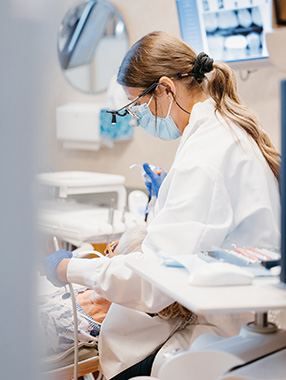

Dental Problems We Can Evaluate
We start by finding out what is wrong. Depending on your symptoms, we may provide appropriate treatment or arrange a referral.
Severe Tooth Pain or Swelling
Tooth pain may come from decay, a crack, gum inflammation, or an infection. Our first step is to examine the affected area and determine what is contributing to your symptoms. Some problems can be managed with restorative care. Root canals and other endodontic procedures require referral.

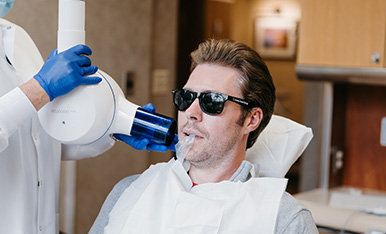
Chipped, Cracked, or Broken Teeth
A crack may cause pain when biting or sensitivity to temperature. Larger breaks can make chewing difficult. We can assess whether a filling, bonding, or crown is appropriate. Our restorative dentistry options include several ways to repair damaged teeth, though some repairs may require a second visit.
Lost Fillings or Dental Crowns
A missing filling or crown can leave a tooth sensitive. Save the crown and avoid chewing on that side. We assess repair options. A new crown may require another appointment because a dental laboratory makes our crowns.
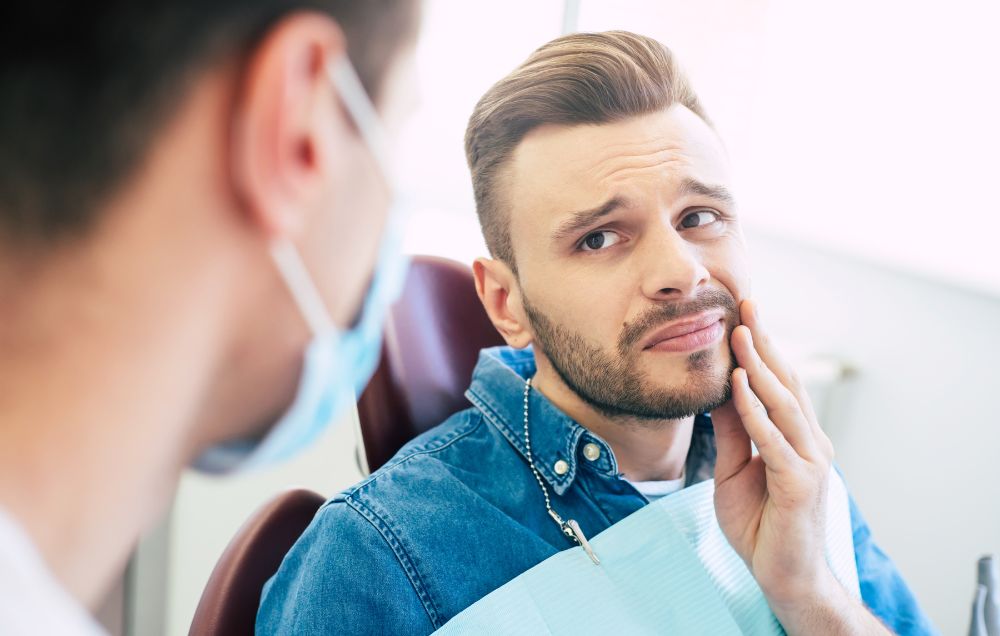
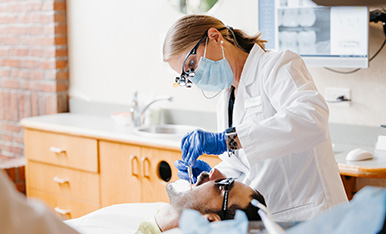
Dental Injuries and Knocked-Out Teeth
A fall can damage a tooth even without a visible crack. Seek immediate dental care for a knocked-out permanent tooth. Severe injuries or those requiring surgery may need care from another provider.
Frequently Asked Questions
Emergency Dentistry
FAQs
Emergency Dentistry FAQs
A toothache or injury raises urgent questions. Here are answers for Stillwater patients.


Yes. Carlson Dental Group accepts new patients needing an emergency dental evaluation, as well as those already receiving care here. Call to describe your symptoms and ask about the next available appointment. We will explain what we can assess in our office and whether another provider may be more appropriate for your immediate needs.
Same-day appointments depend on the schedule and the urgency of your concern, so we cannot guarantee an opening. Calling is the best way to let us know what is happening and find out what options are available. If you have a knocked-out permanent tooth or serious injury, do not delay urgent care while waiting for a callback.
Not every toothache requires a root canal or extraction. Pain may come from a damaged filling, decay, gum problems, or other causes, and an examination helps us identify the next step. We refer patients who need a root canal, extraction, or other surgical care to appropriate providers. We will explain the referral if your evaluation indicates that type of treatment.
Seek emergency medical care if you have trouble breathing or swallowing, significant facial trauma, uncontrolled bleeding, or rapidly spreading swelling. These can require medical attention beyond a dental office. For tooth pain, a broken restoration, or a less severe dental injury without those warning signs, call a dentist promptly for advice and an evaluation.
New Emergency Dental Patients Are Welcome
You do not need to be an established Carlson Dental Group patient to contact us about a dental emergency. Emergency evaluations depend on availability and the type of care needed.
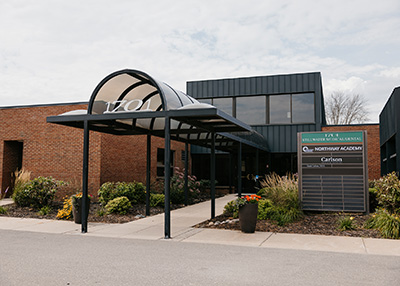
Find us at 1701 Curve Crest Boulevard, Suite 100, Stillwater. Our new patient information explains what to bring and how we approach your care.
You can call outside office hours, but an immediate response or appointment is not guaranteed. For time-sensitive emergencies, seek other urgent care if you cannot reach us promptly.
Or Call (651) 439-8840
Call Carlson Dental Group for Emergency Dental Care in Stillwater
Carlson Dental Group welcomes new and existing patients seeking emergency dental evaluations in Stillwater, MN.
Call us at (651) 439-8840 to discuss your symptoms and appointment options, or use our contact page to request a response. For a time-sensitive emergency, calling is the better first step.
Or Call (651) 439-8840
Explore More Of
Our Core Dental Services
When dental emergencies happen, having a trusted team to turn to makes all the difference. We offer a range of services to address unexpected dental concerns, relieve discomfort, and help restore your smile. Explore some of the emergency dental services available at our practice:

Family Dentistry
We provide personalized dental care for patients of all ages, helping families maintain healthy smiles and address dental needs at every stage of life.


Restorative Dentistry
Restore the health, strength, and function of your smile with personalized treatments designed to repair damaged teeth, address dental concerns, and improve long-term oral health.

Cosmetic Dentistry
Enhance the appearance of your smile with customized cosmetic treatments designed to improve the look of your teeth and help you feel more confident.

Sedation Dentistry
Feel more at ease during dental visits with sedation options designed to help patients manage dental anxiety and receive the care they need in a comfortable, relaxed setting.
Helpful Tips & Info
Patient Education Articles
Maintaining a healthy smile starts with good habits at home. Explore our patient education articles for helpful tips, insights, and guidance to support your family’s oral health between dental visits.

Why Does My Jaw Hurt in the Morning? Clenching, Grinding, and TMJ
Waking up with a sore or tired jaw can make mornings uncomfortable. You may also notice tight facial muscles, tender teeth, a headache near your temples, or stiffness that improves as the day goes on.If you have been asking, “Why does my jaw hurt in the morning?” nighttime clenching, grinding, [...]

A More Precise Approach To Dental Implants
Missing teeth can affect your confidence, oral health, and ability to comfortably eat your favorite foods. Dental implants provide a long-lasting solution that looks, feels, and functions like a natural tooth. At Carlson Dental Group in Stillwater, we combine advanced technology with precise treatment planning to make {{{{link id='55656' [...]

A More Comfortable Way To Treat Cavities
For many patients, getting a dental filling is not what causes stress. It is the thought of the drill, the numbing injection, and the noise that often comes with treatment.Some people avoid scheduling cavities for months because they dislike the vibration, pressure, or lingering numbness afterward. Unfortunately, delaying treatment usually [...]